Saint Paul, MN · Garage Door Service
Garage door repair and install for St. Paul Park, 10 miles from our Saint Paul base. We know the 1970s-era torsion hardware common in this area's homes.
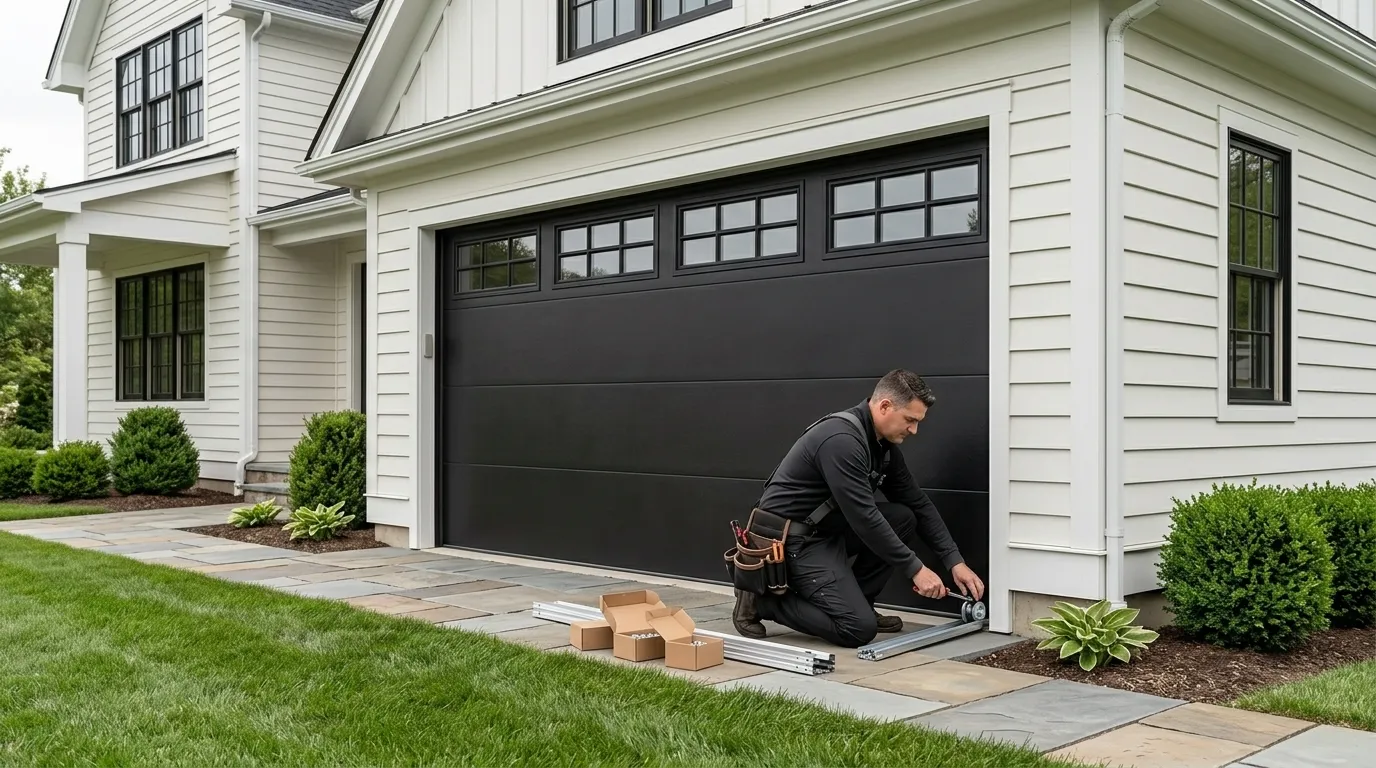
We run out of Saint Paul, about 10 miles from St. Paul Park, and we don't keep a depot in the area. That means we schedule the trip rather than dropping a truck by on a whim, so when you call, tell us what the door is doing and we'll plan the visit accordingly. It's a straightforward run down from Saint Paul, no river crossings that back up scheduling the way some of the closer river-adjacent suburbs can. We're not going to pretend we're around the corner - we're not - but the drive isn't the reason a job gets delayed. Parts availability sometimes is, and we'll get to that. If you're comparing us to a shop that's physically closer, that's a fair thing to weigh. What we bring instead is familiarity with the kind of doors this area actually has, which matters more once the spring or opener is the problem and not the drive time.
St. Paul Park's homes cluster around a median build year of 1970, which puts a good chunk of the area's roughly 2,216 households into a narrower band than you'd find across the wider service territory, where construction stretched from 1956 clear to 2002. That narrower window matters. A neighborhood built mostly in one decade tends to have gone through the same wave of garage door installs, the same wave of opener upgrades in the 90s, and often the same wave of replacements whenever the original hardware finally gave out. Household income here runs a bit above the broader area's median, at $98,670 against $91,946 - which we mention not to flatter anyone but because it tends to track with how many homes have already swapped an original one-piece door for a sectional one, versus how many are still running the door that came with the house. Both kinds exist here. The 1970 build year tells us what to expect before we lift the door, not what we'll definitely find.
A door installed around 1970 was very likely a one-piece tilt-up or an early sectional, and if it's still original, the springs and hinges on it are not something a hardware store carries off the shelf anymore. That's the honest limitation: parts for that era of door sometimes take longer to source than parts for a door built in the last twenty years, and if a bracket is bent or a track is the discontinued width, we may recommend replacing the section rather than waiting on a part. Cold severe winters do their own damage to this stock - steel that's had 50-plus winters of freeze-thaw at the bottom panel and hinge points is more likely to have hairline rust starting at the fasteners, which is often what turns a sticking door into a door that won't move at all. If the opener is original too, it's almost certainly a chain-drive unit without the safety reversal sensors required on anything sold today, and that's worth fixing regardless of what else is going on with the door.
Not every home in St. Paul Park is a 1970 build - some streets have infill construction or later remodels that replaced the original door decades ago, and those doors behave like modern sectional doors anywhere: composite or steel panels, torsion springs mounted overhead, openers with rolling code and photo-eye safety sensors. The mix is what makes a quick phone diagnosis unreliable here. We'd rather ask you the age of the door itself, not just the house, before guessing at the fix. If your door was swapped out sometime in the last fifteen or twenty years, expect a repair that looks like repairs anywhere - a broken cable, a worn roller, a photo eye knocked out of alignment. If it's the door the house came with, expect us to talk through replacement options alongside repair ones, because at that age, a repair sometimes just buys a few more months before the next part fails.
No, we run out of Saint Paul, about 10 miles away. We don't keep a depot or truck stationed in St. Paul Park, so service here is scheduled rather than same-hour drop-in. Tell us what's wrong with the door when you call and we'll plan the visit around that.
A house built in 1970 might still have its original door and hardware, or it might have been swapped out in a later remodel. Original hardware from that era often means harder-to-source parts and older, less safe opener technology, so we ask about the door specifically, not just the house.
Sometimes, sometimes not. If it's a worn roller or a cable, repair usually makes sense. If the track is a discontinued width or the panel is rusted through at the hinges, we'll tell you honestly that replacement is likely the better spend rather than patching it repeatedly.
Call now or request a free quote - same-day service on most repairs, upfront written pricing.