Saint Paul, MN · Garage Door Service
Garage door repair for Saint Paul homes built mostly between the 1960s and 1970s, from Frogtown to Downtown to Como Park. Cold-climate parts, straight talk.
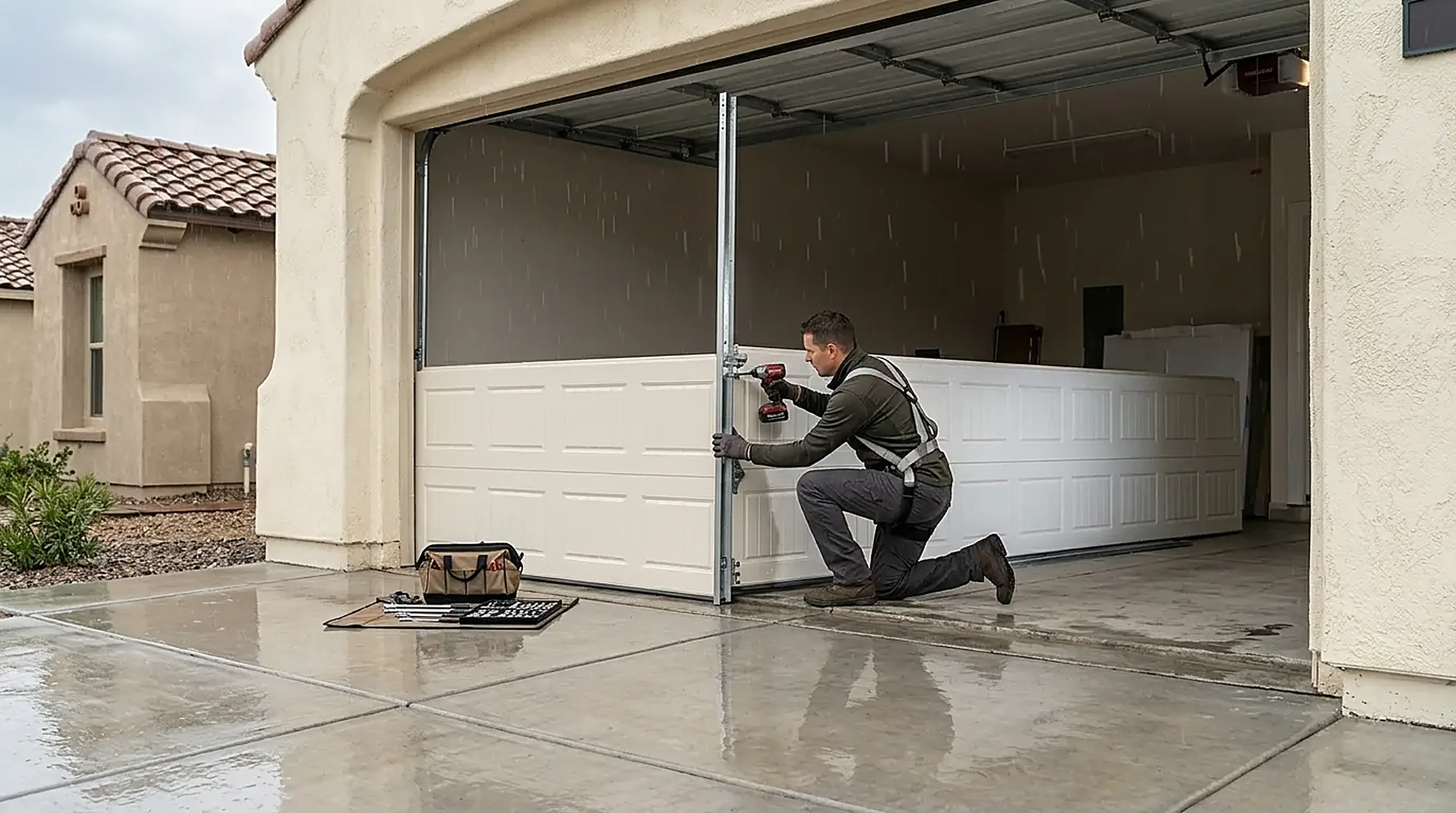
What We Do
From a snapped spring to a full door replacement - one local crew, upfront pricing.
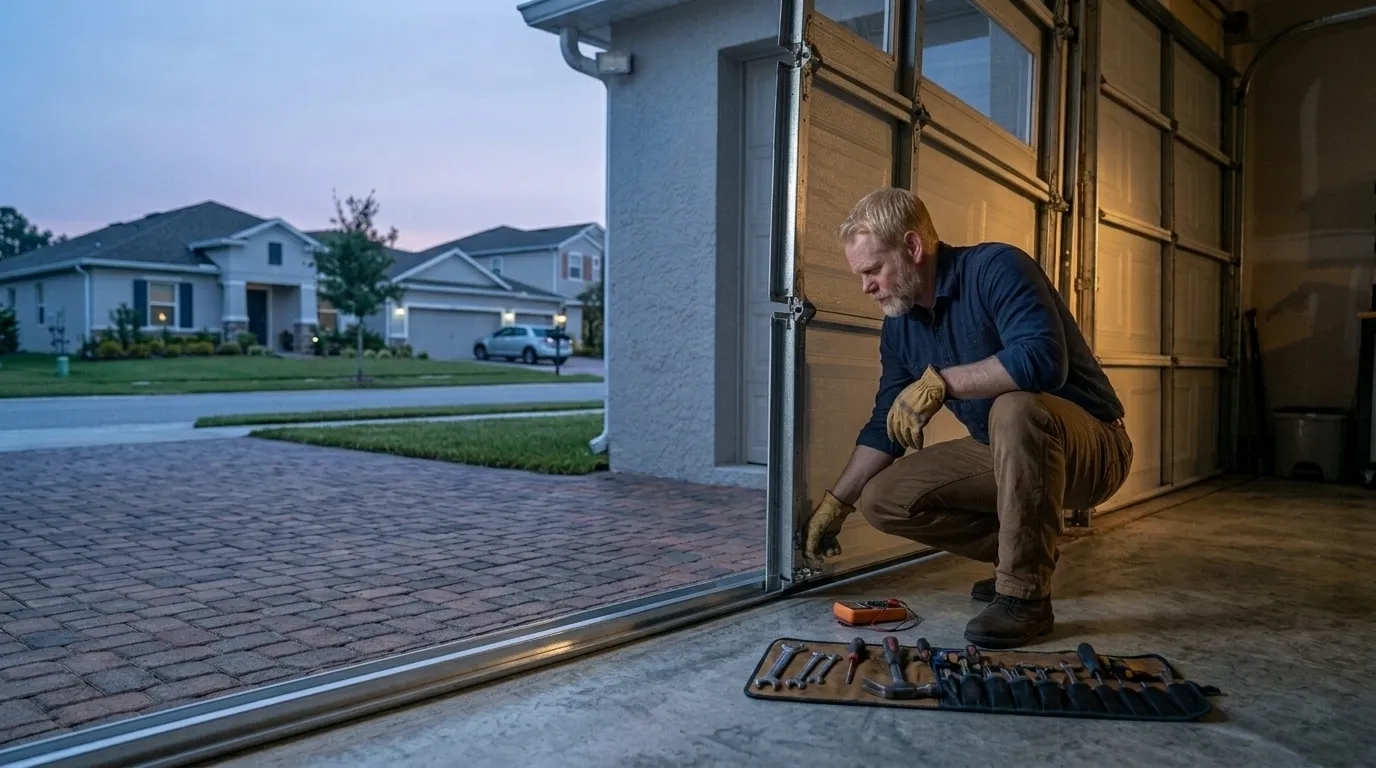
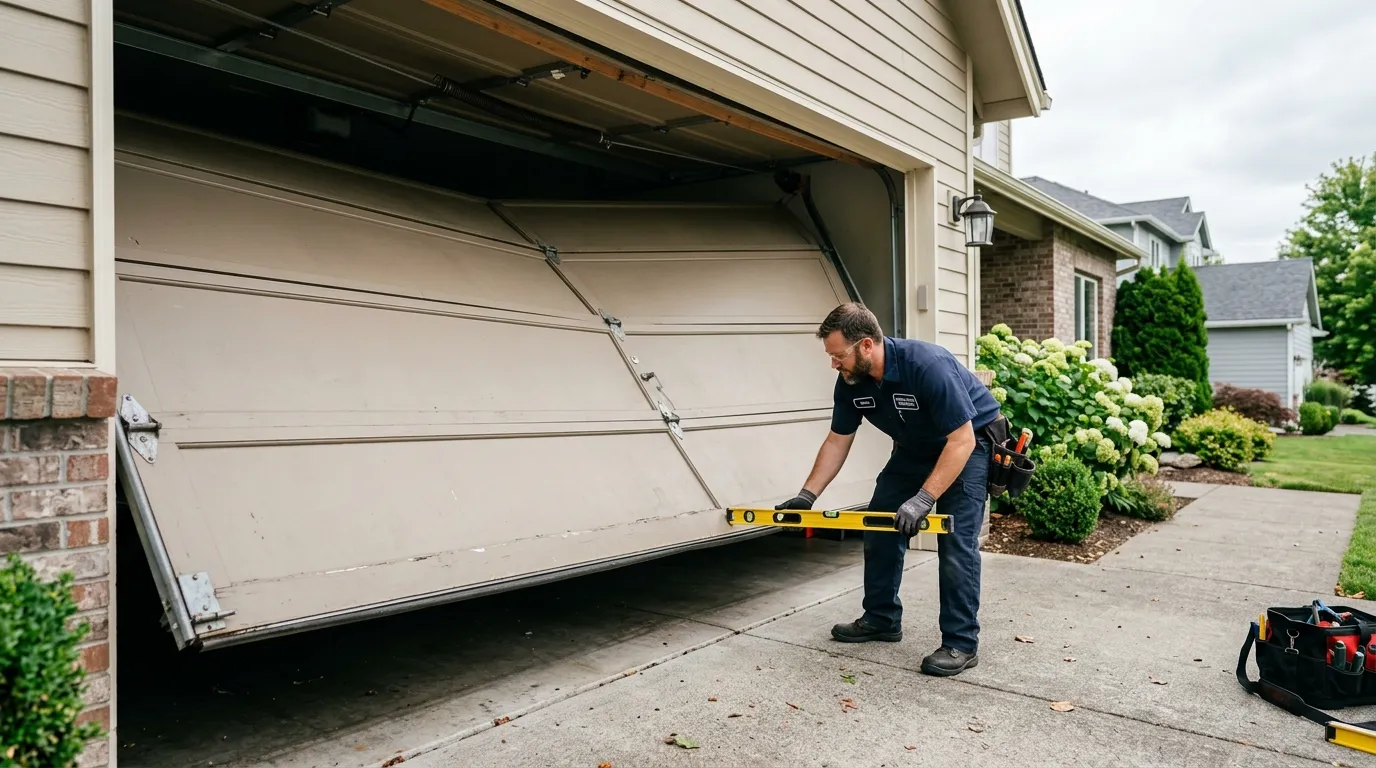
Off-track doors, snapped cables, bent panels and grinding openers - diagnosed and fixed.
Learn more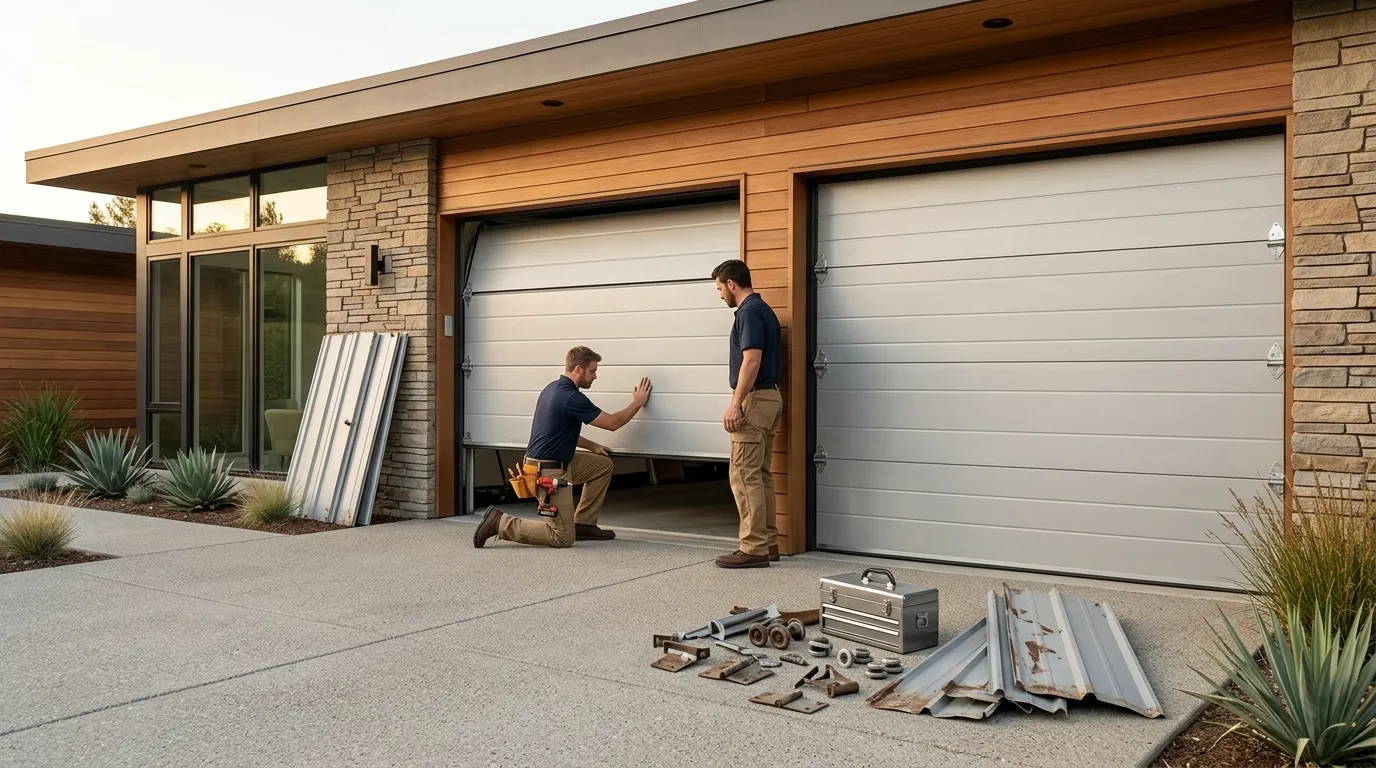
Insulated steel and composite doors sized to your opening and the local heat load.
Learn more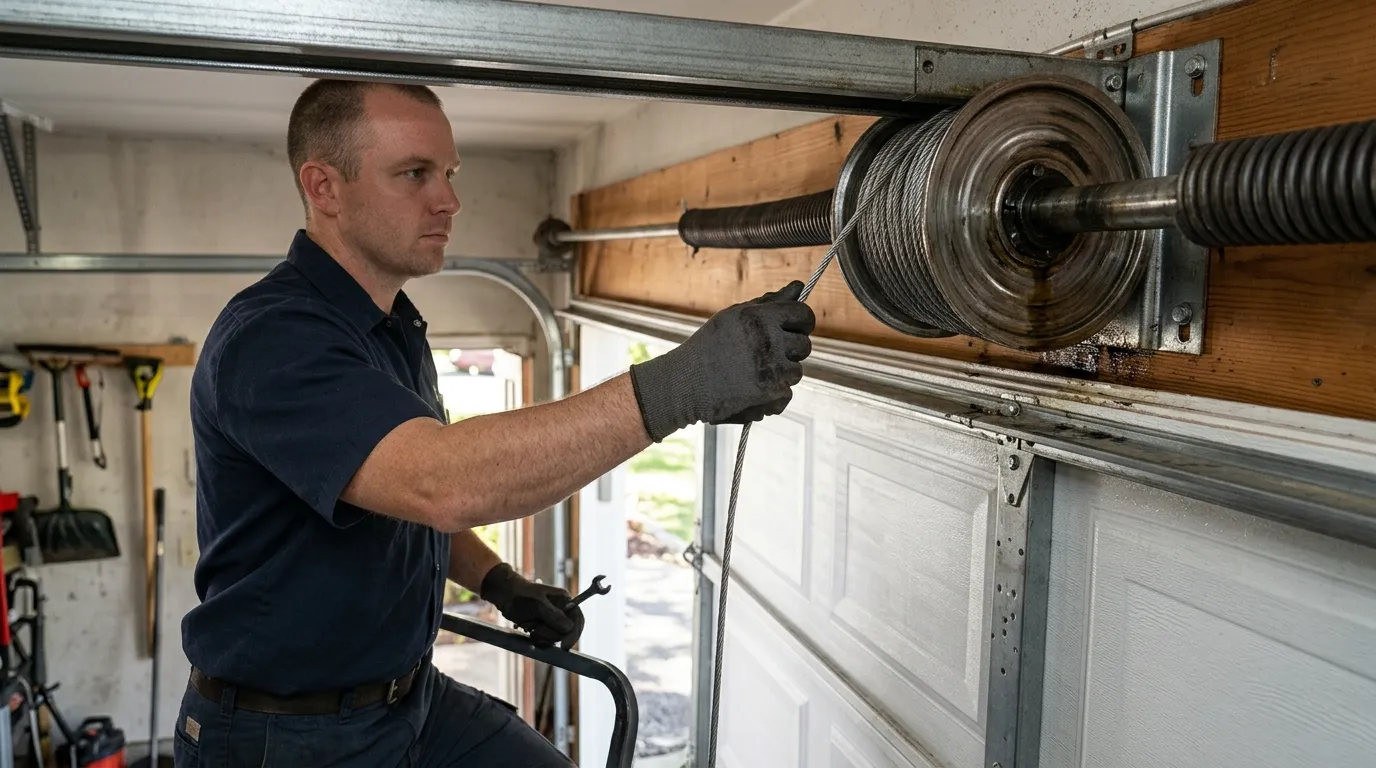
Spring tension, roller and track service that keeps an older door running quiet.
Learn moreFast Response
A stuck or broken garage door can't wait. Call before the afternoon and we can usually be out the same day - most repairs are diagnosed and finished on the first visit, with an upfront price before any work starts.
 Same-day service
Why Saint Paul Calls Us
Most repair calls are handled the same or next day - springs and openers don't wait.
Trained techs, proper spring tools, and the insurance to back the work.
A written quote at the door before any work starts - no surprise add-ons.
We diagnose the actual cause, not just the symptom, so the door stays fixed.
Fully stocked trucks mean most repairs are finished on the first visit, no second trip.
A Saint Paul-based team you can reach directly, not a national call center.
How It Works
Call or request a quote and describe what the door is doing - noise, off-track, won't open.
A tech inspects the springs, tracks, opener and panels and gives you a written price first.
Most repairs are done on the same visit; installs are scheduled around you.
Our Work
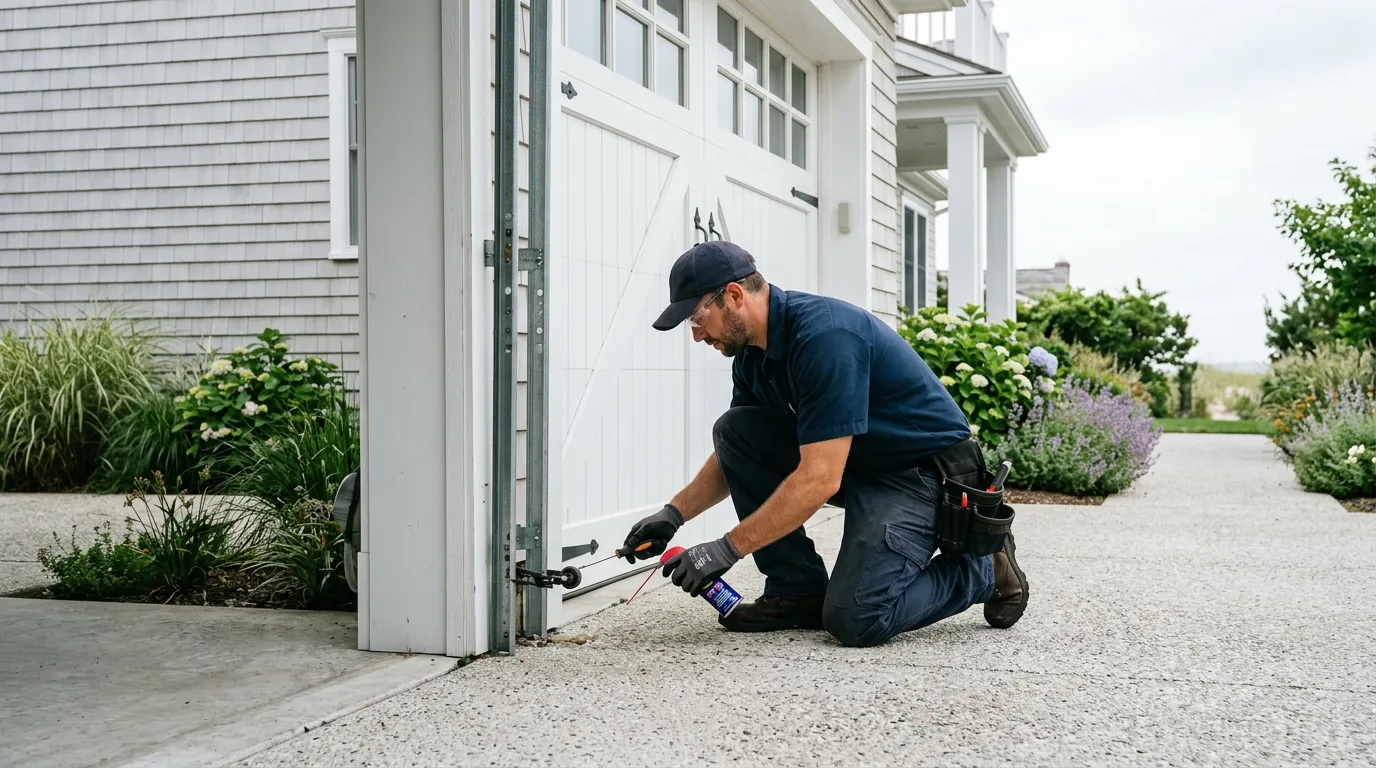
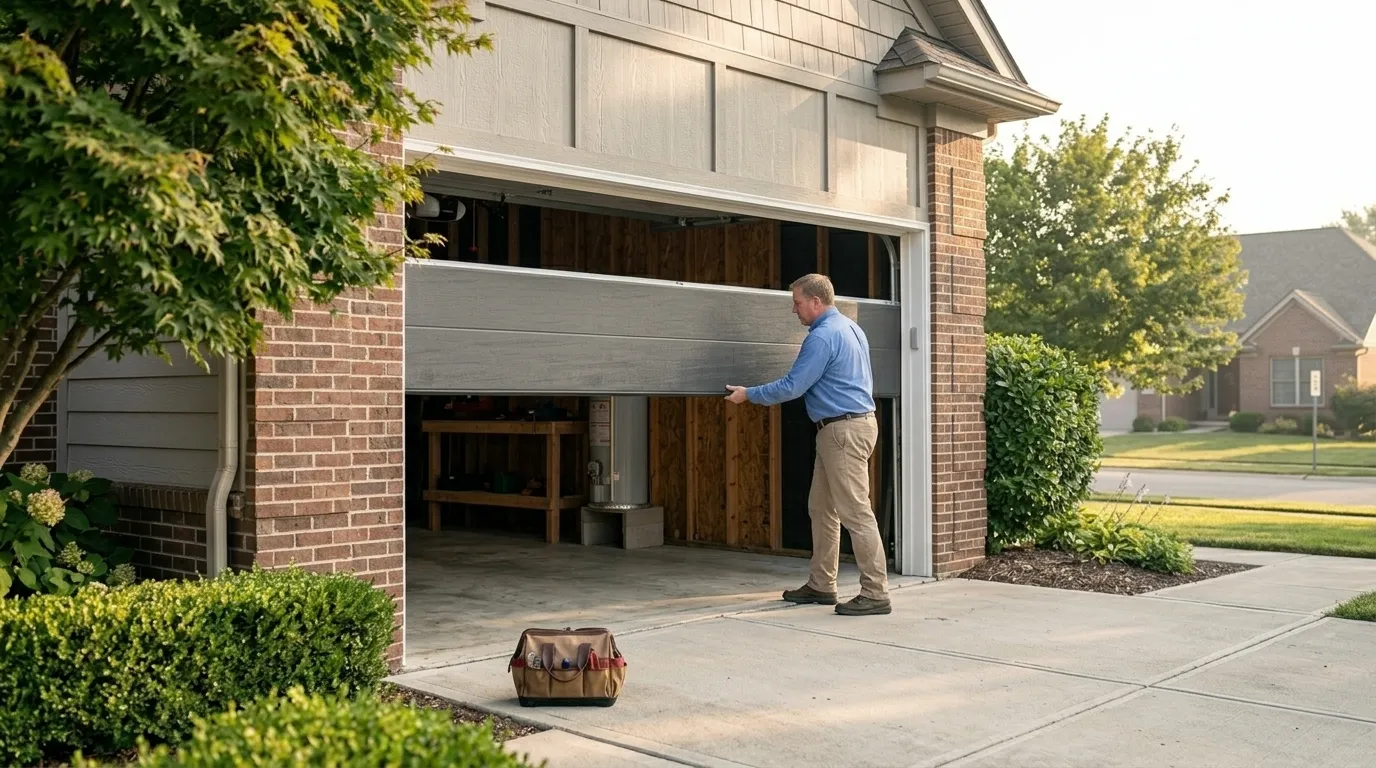
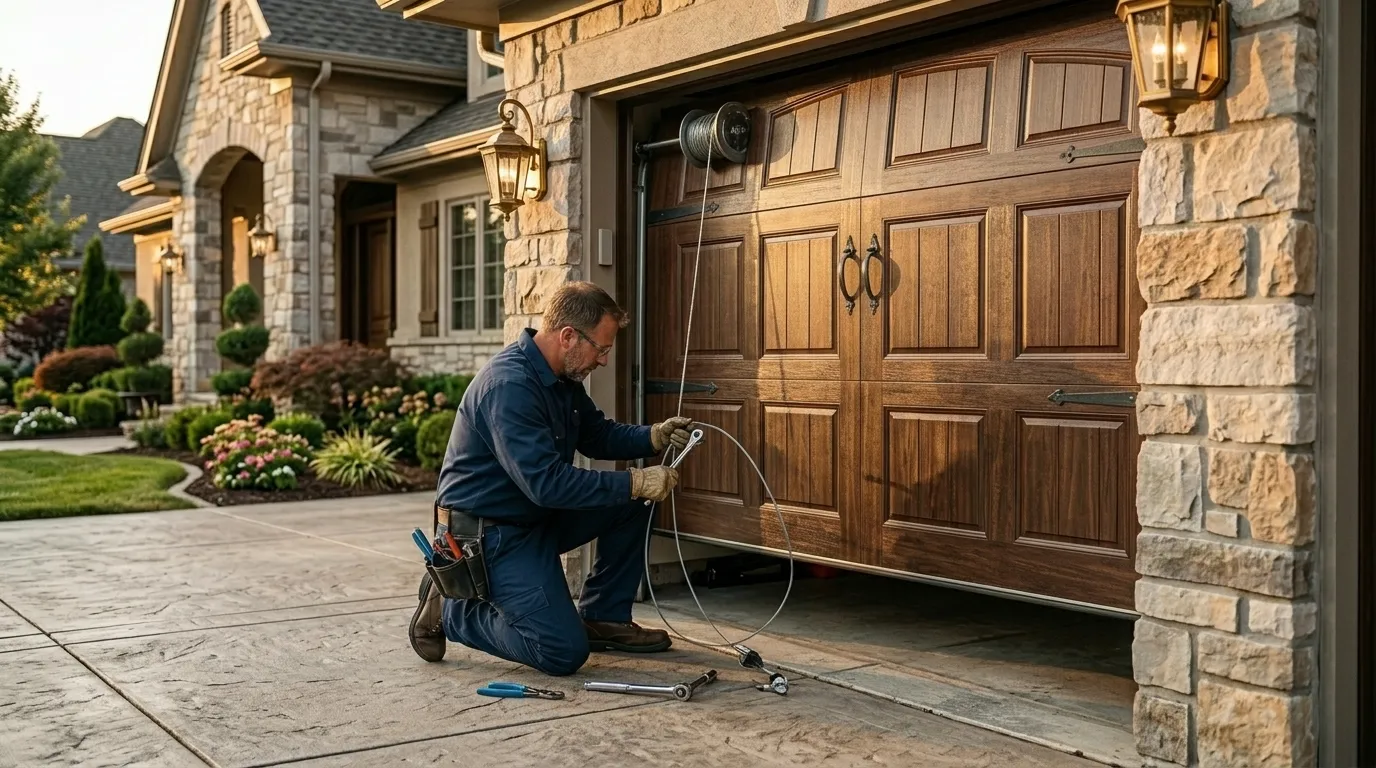
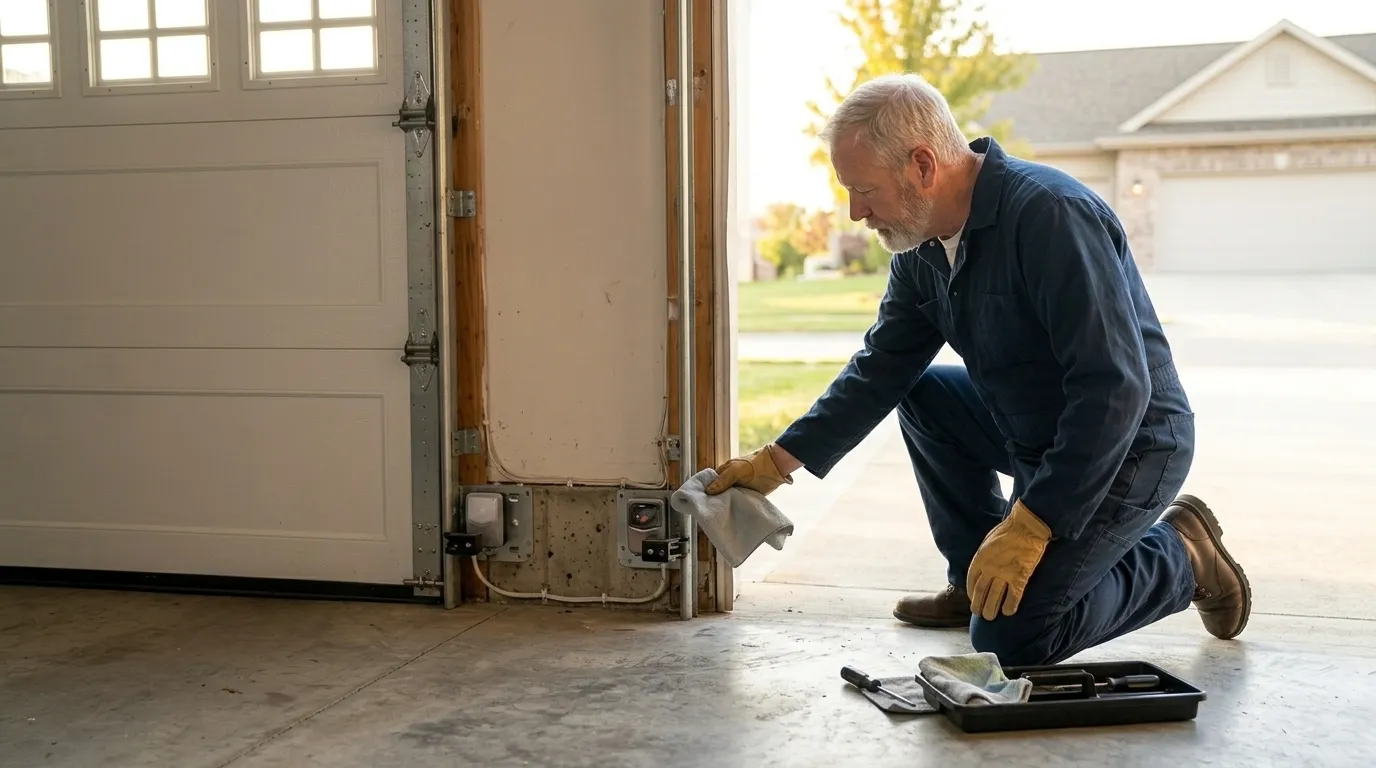
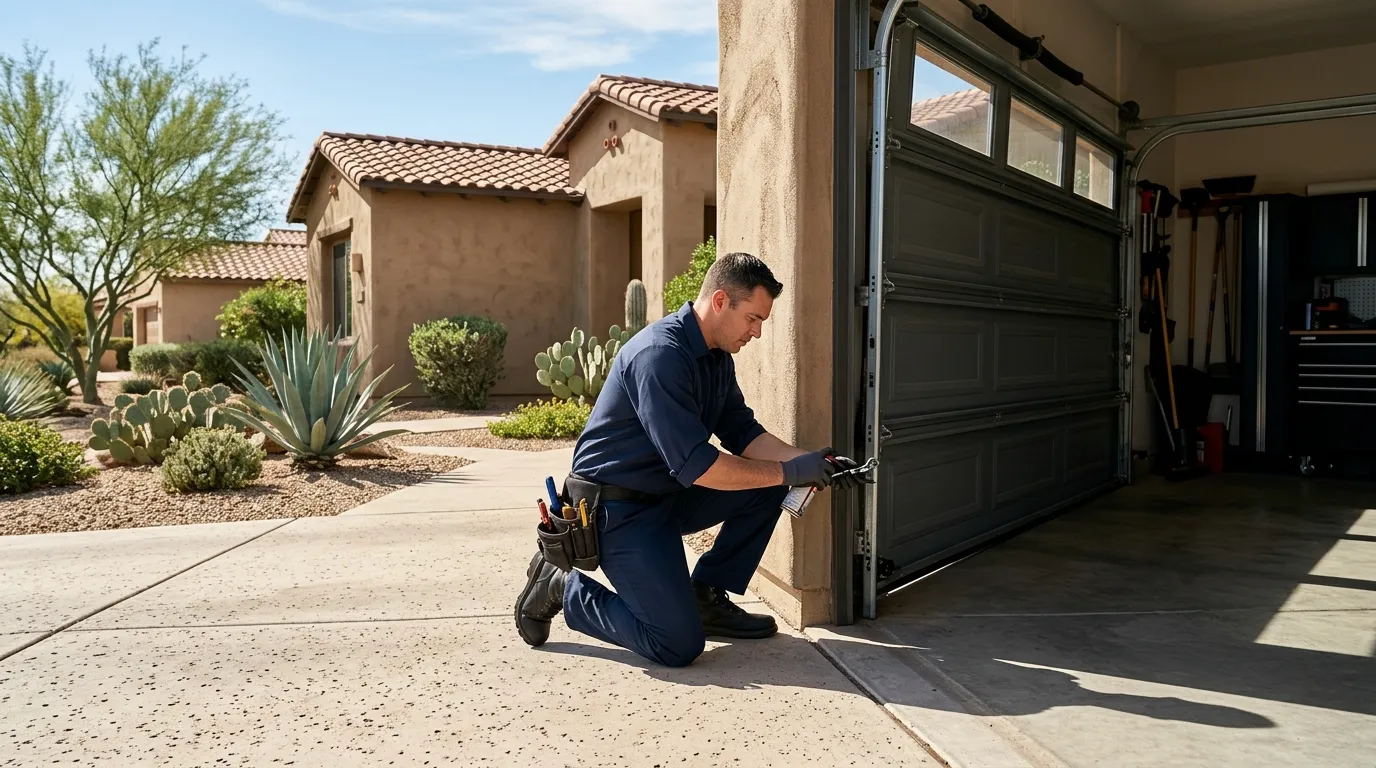
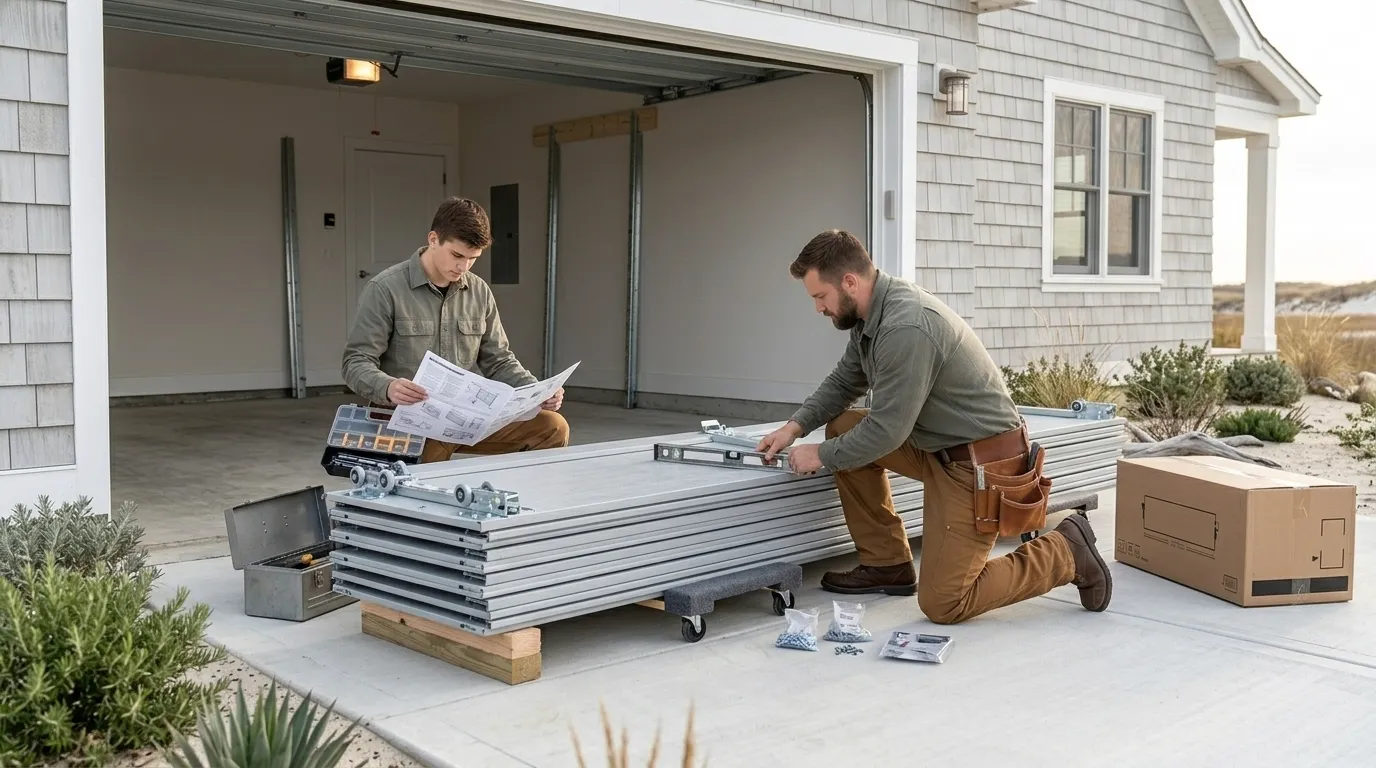
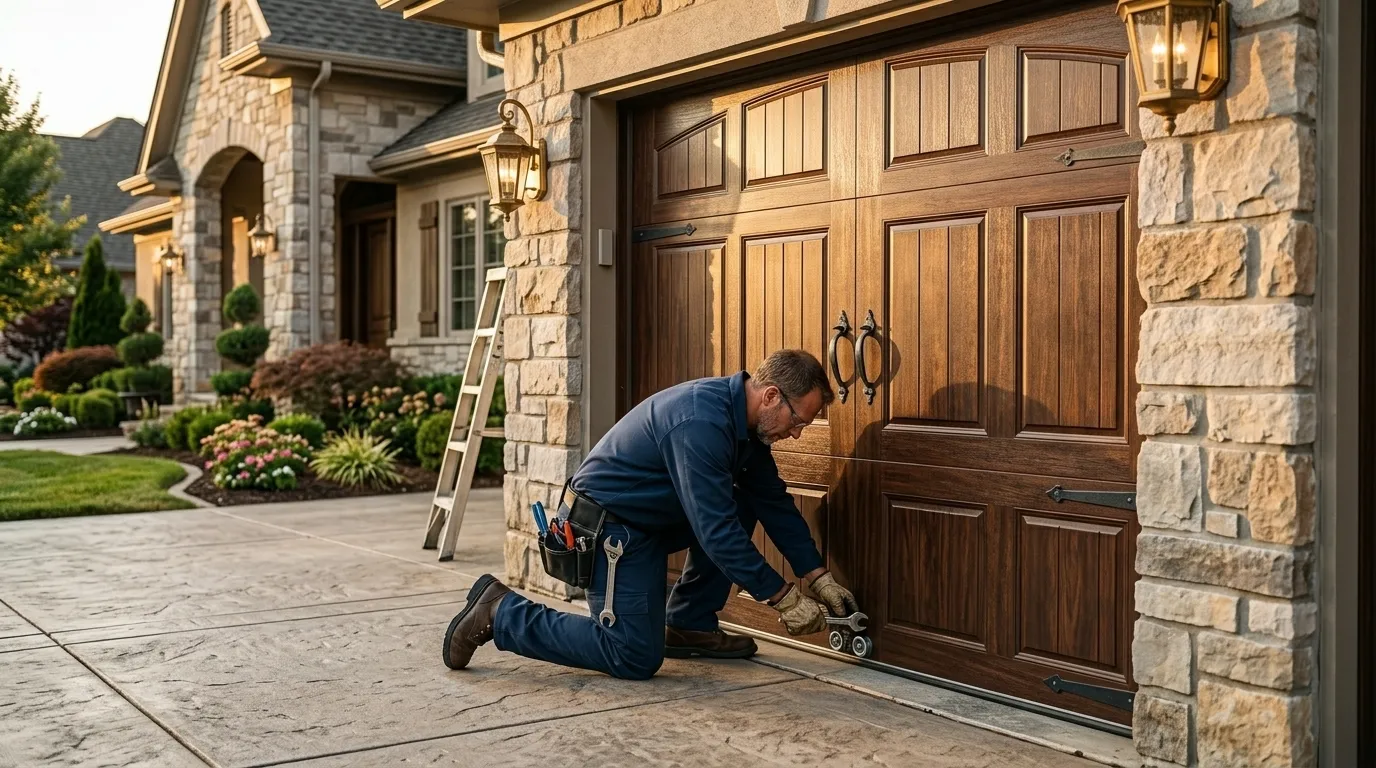
A look at doors, openers and springs we've installed and serviced across the Saint Paul metro.
Where We Work
Neighborhoods across the city and suburbs around the metro. Not sure if we reach you? Just ask.
Local Expertise
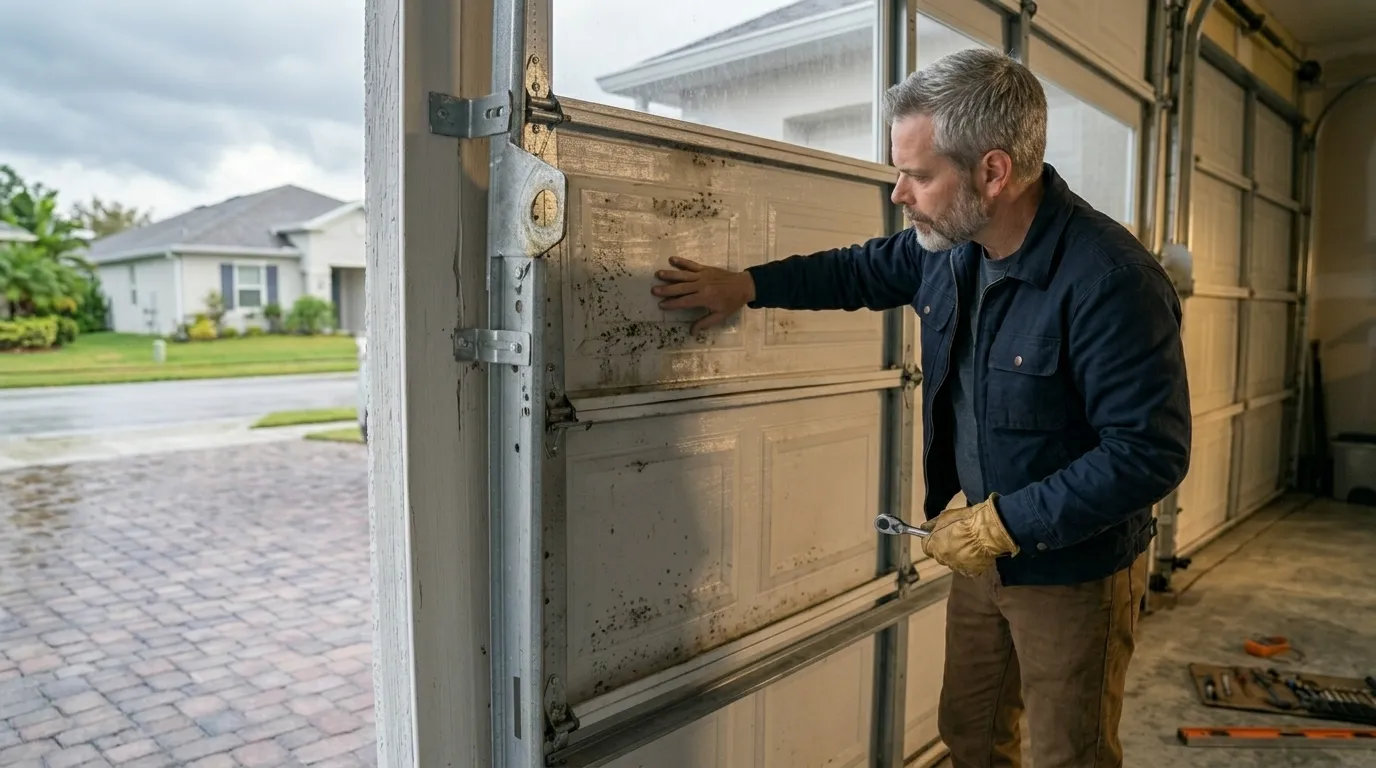
Most of the houses we work on went up between 1956 and 2002, with the middle of that range - 1973 - doing a lot of the heavy lifting. That means a lot of 1960s and 70s garage construction across the 41 areas we cover, from Frogtown and Thomas-Dale a mile northwest of downtown, out to West Seventh and the West Side, and further into West St. Paul, Falcon Heights, Mendota Heights, and Roseville a few miles out. Houses from that era tend to have single-car or narrow double bays, older jamb widths, and openers that have been swapped out once or twice already but tracks and hardware that are original or close to it. If your house sits in Como Park, Payne-Phalen, or Dayton's Bluff, there's a decent chance your door is riding on a torsion spring sized for a lighter door than whatever got hung on it in 1995. We also run calls out to Roseville, North Oaks, Golden Valley, and as far as Circle Pines and Fridley, where the housing stock skews similar - 1960s and 70s builds with a handful of newer infill. Knowing the build era matters because it tells us what spring wire size, what track depth, and what opener mounting we're probably dealing with before the truck even leaves.
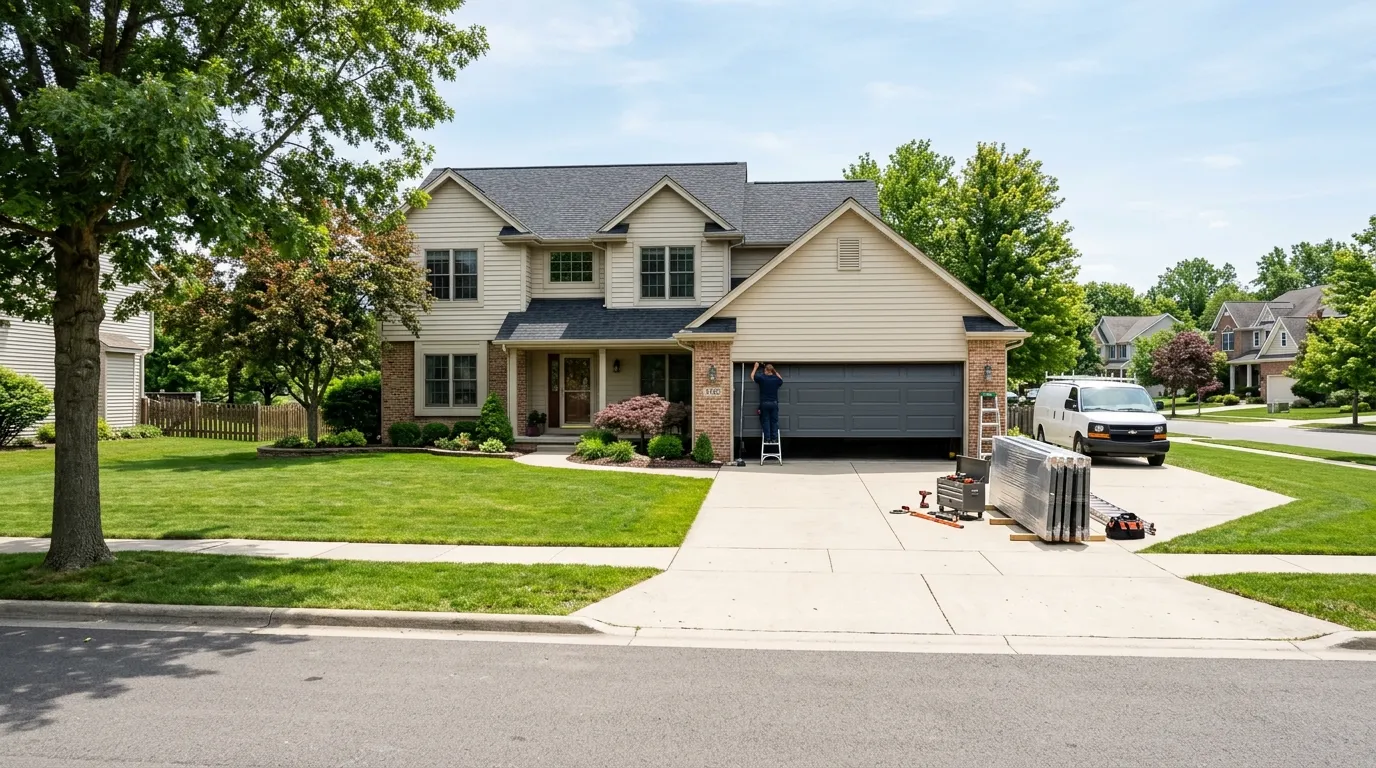
We'll say it straight: not every door is worth fixing. If a door from that 1960s-70s wave has a rusted-through bottom panel, a warped track from decades of temperature swings, and an opener that's already been replaced once, putting a new spring on it is throwing good money after bad. Same with doors that have been hit hard enough to bend the top section - once a panel racks, the whole door stops sealing right and your new hardware fights a bad frame every time it cycles. We'd rather tell you that up front than sell you a spring job that buys you six more months. If the springs, track, and panels are sound, repair almost always makes more sense than replacement, and we'll say that too.
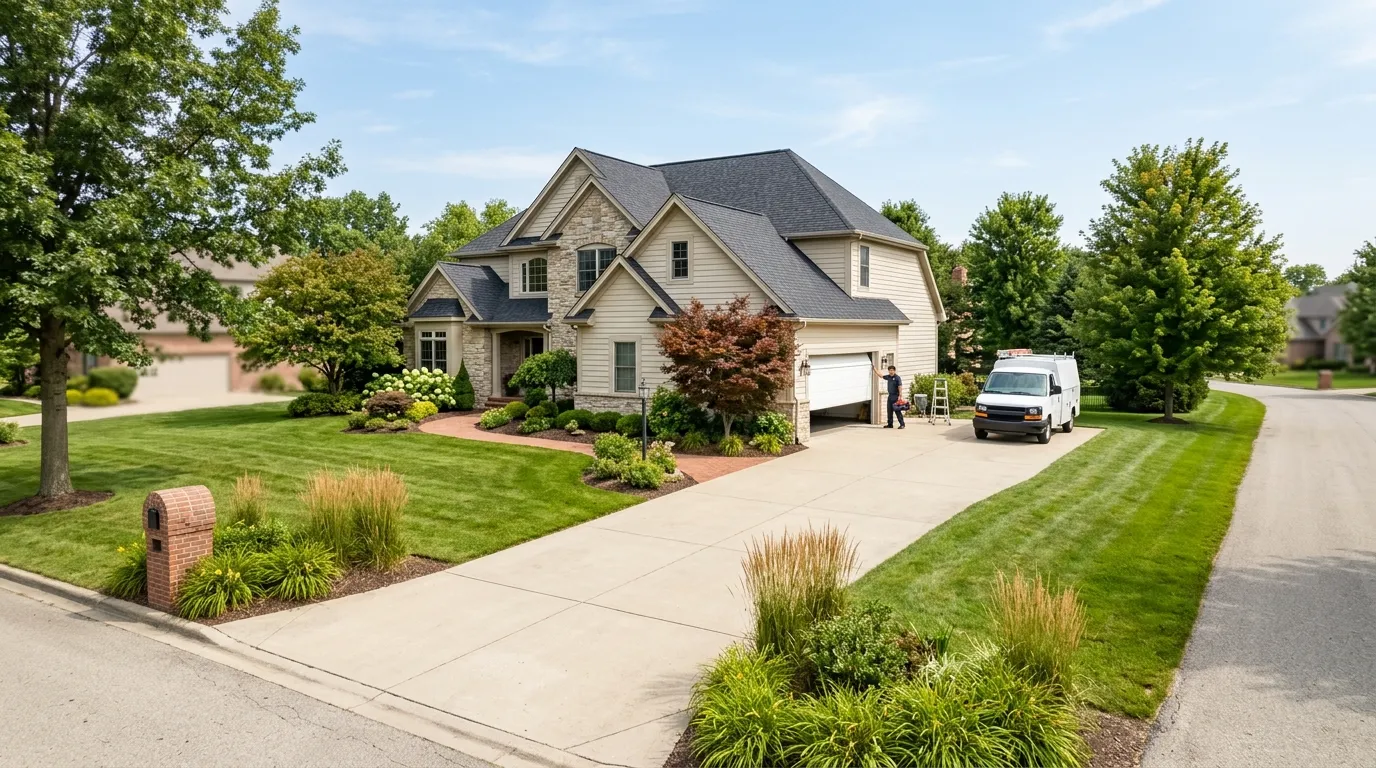
This is a cold, severe-climate area, and that shapes what fails. Steel expands and contracts hard across a Saint Paul winter, and torsion springs that cycle through that swing for fifty-plus years - not unusual on a house built near 1973 - lose temper and snap, usually on the coldest morning of the year when you need the door most. Cables fray at the drum from ice buildup on the bottom bracket. Rollers on original steel track, especially the kind you still find in the older sections near downtown and the West Side, seize up when grease gums in cold weather and the door starts binding sideways instead of running straight. Openers from the 80s and 90s draw down and stall trying to force a door that's already fighting stiff cold hardware, which looks like an opener problem but is really a spring or roller problem wearing an opener's symptoms.
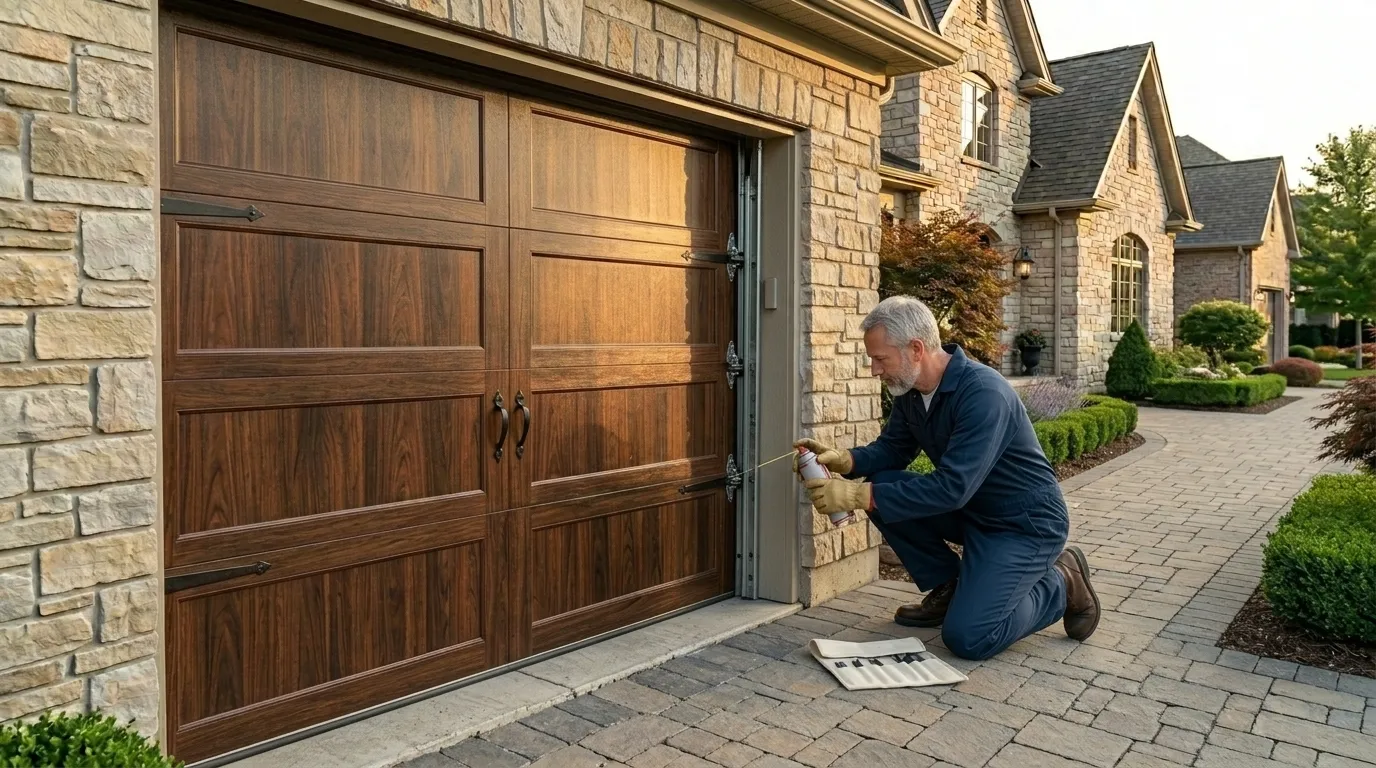
You're paying for a tech who shows up knowing the housing stock here isn't uniform - a door in Frogtown on a narrow lot isn't sized or hung like one in Mendota Heights or Arden Hills, and the hardware ages differently depending on how exposed the bay is to wind off the river. With a median household income near $91,946 across the service area and roughly 109,250 owner-occupied houses among 253,852 households, this isn't a market where people want to be sold more than they need - and we don't build our approach around that. You're paying for correct spring sizing for your door's actual weight, not a one-size average, and for a tech who can tell you whether your track needs replacing or just realigning.
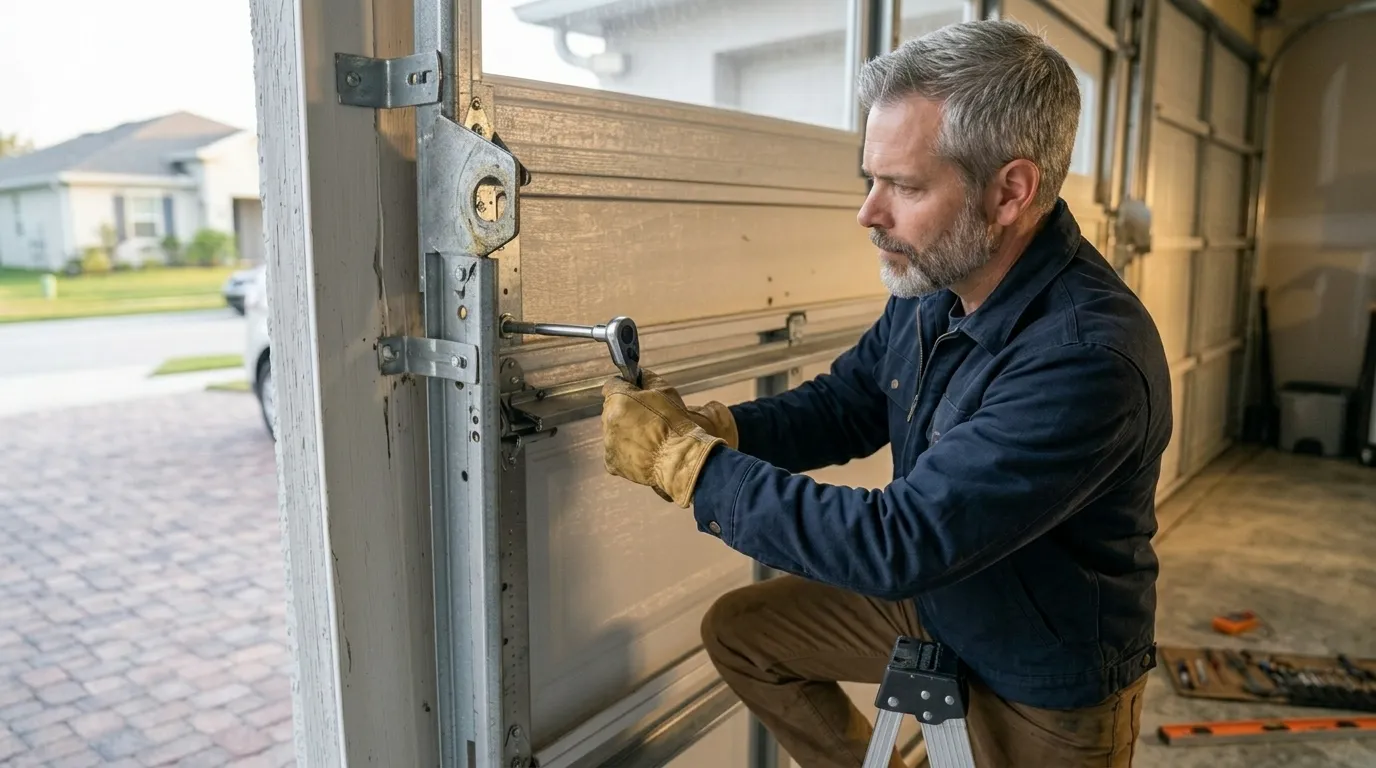
You call, we ask what the door is doing - won't open, opens partway, makes noise, opener runs but door doesn't move - and roughly how old the door and opener are, since that tells us a lot before we're on site. We come out, look at the springs, cables, track, and rollers, and tell you what's actually wrong instead of guessing off the phone. If it's a straightforward spring or roller job, we usually handle it that visit. If a part needs ordering - certain opener boards or wider commercial-style track aren't sitting on the truck - we'll tell you honestly instead of pretending everything's in stock. Either way you get a plain explanation of what broke, why, and what it costs before anything gets fixed.
Good to Know
Most housing in this service area went up between 1956 and 2002, with a lot of it clustered in the 1960s and 70s. That means original or near-original torsion hardware and track sized for lighter doors than what often got installed later, which is a common source of the spring failures we see on service calls in these areas.
This area sits in a cold, severe climate zone, and steel spring wire fatigues faster through repeated hard temperature swings. A spring that's been cycling for decades on a house from the 1960s or 70s is already near the end of its life, and a cold snap is usually what finally snaps it.
Yes. If the panels are rusted through, the track is warped, or the door's already been hit hard enough to rack the frame, spending money on a spring or opener repair doesn't fix the underlying problem. In those cases we'll say replacement makes more sense than repair.
We cover a wide radius, from close-in areas like Downtown and the West Side out to West St. Paul, Falcon Heights, Roseville, and further communities like Golden Valley, Fridley, and Circle Pines. If you're unsure whether your address is in range, give us a call.
No, and we won't pretend otherwise. Common springs, cables, and rollers usually are. Certain opener control boards or wider track for older or nonstandard doors sometimes need to be ordered, and we'll tell you that up front rather than after the job's started.
Call now or request a free quote - same-day service on most repairs, upfront written pricing.