Saint Paul, MN · Garage Door Service
Saint Paul homes built mostly between the 1960s and 1970s lose heat fast through worn garage door seals in our cold winters. Here's what actually helps.
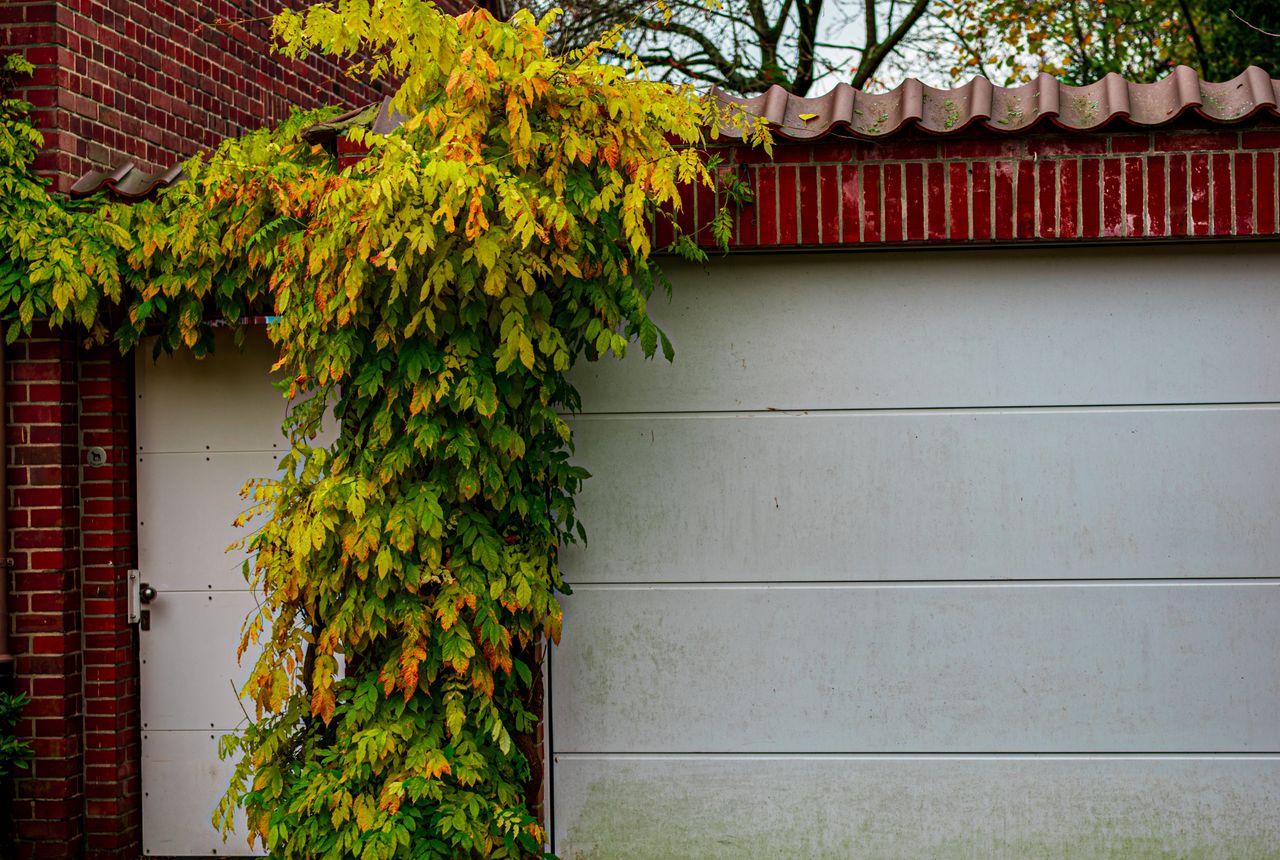
If you own a house in Frogtown, Thomas-Dale, or Summit-University, where most of Saint Paul's housing stock went up in the 1960s and 70s with a citywide median build year around 1973, a little daylight around the bottom seal isn't cause for panic. A quarter-inch gap under the door, a flattened bulb seal that's lost some spring, a slightly crooked stop molding on a door that's been opening and closing since the Nixon administration - none of that needs a truck out. Push the seal back into its track, check the vinyl hasn't split clean through, and if the door still seats flat on the slab when it's down, you're fine to wait a season. Swapping a bulb seal yourself on a Saturday is real money saved next to a service call. Where I'd start paying attention: if the gap runs uneven from one side of the door to the other, if you can see daylight in more than one spot, or if the seal is stiff and cracking rather than just flattened out. On doors this age, that's usually the track or the slab settling underneath it, not just old rubber giving up, and it's worth a look before you spend money on a seal that won't hold anyway.
A new bulb seal fixes a gap. It does not fix a door that's stopped closing square, and on stock built between 1956 and 2002 that's a common next step, not a rare one. If the seal keeps popping out of the track on one side no matter how many times you reseat it, the track itself has probably shifted or the rollers on that side are worn enough that the panel isn't dropping evenly. If the bottom seal channel is cracked or the wood base of an older panel has gone soft where it meets the slab, no amount of new weatherstripping seals that gap - you're sealing against rot, and it'll open back up. Here's the honest limit: if the door is original to a house from that 1956-2002 build window and the bottom panel has gone soft, we're usually talking replacement of that panel, not a seal kit, and sometimes replacing the whole door makes more sense than patching a fifty-year-old slab. A torsion spring under tension, a bent track, or a panel that's binding are jobs where a call is worth it before you're standing under a few hundred pounds of door trying to force a seal into a track that's no longer straight.
Saint Paul sits in a cold, severe climate band, and that matters more for seals than for almost any other part of the door. Vinyl bulb seals harden and lose flexibility in sustained sub-zero stretches, then get walked on and flattened every time the door cycles, so the seal that flexed fine in October is brittle and cracking by February. That freeze-thaw swing is also what pushes frost heave under slab edges, which is why a seal that sat flat all summer can show a gap by mid-winter even though nothing about the seal itself changed - the slab moved instead. Ice buildup at the base, from meltwater refreezing overnight, is the other piece: it can wedge the bottom seal against the slab hard enough to tear it on the next opening. None of this is a defect in the door. It's what a severe cold climate does to rubber and vinyl on a cycle that repeats every winter, on doors and houses built decades before anyone was thinking about R-value at the garage. A seal that lasts five mild-winter years elsewhere might need replacing every two or three here.
Put the two facts together - housing across Saint Paul built mostly in the 1960s and 70s, spread across more than forty named areas from Downtown out to Roseville and Arden Hills, sitting in a cold climate band with real freeze-thaw swings - and you get a lot of original seal track on doors never designed for today's heating costs. A gap you can't feel with your hand still moves air, and on a slab door with no vehicle heat source, that air comes straight from outside. Left alone year after year, worn seals on a door this old don't just let in a draught; they let in enough cold air that the difference shows up on a winter heating bill, especially in a house where the door backs onto a finished or semi-finished space rather than open storage. The honest problem isn't any single failed seal - it's that a fifty-year-old door accumulates small failures in the track, the slab edge, and the seal itself at the same time, and fixing only the seal without checking the other two just buys you one more season before the same gap comes back.
On a lot of the 1960s-70s doors around the city, expect to replace the bottom bulb seal every two to three winters rather than the five-plus years it might last in a milder climate. Sustained sub-zero stretches harden vinyl faster than warm-climate wear does, so it cracks before it wears out.
Cold, severe winters put vinyl and rubber through repeated freeze-thaw cycles, and older doors on original track flex against a slab edge that's also moving with frost heave. The seal is taking stress from both the temperature swing and the ground underneath it, which is why it cracks faster here than the material's rated life suggests.
Often yes, if the track is straight and the slab edge is intact - it's a low-cost fix on a Saturday. If the seal keeps popping loose on one side or the panel base has gone soft, that's a track or panel problem the new seal won't solve, and it's worth a call before buying another kit.
Call now or request a free quote - same-day service on most repairs, upfront written pricing.