Saint Paul, MN · Garage Door Service
In Saint Paul homes built between 1956 and 2002, safety sensor brackets shift with the slab and the cold. Here's why, and when to stop adjusting them yourself.
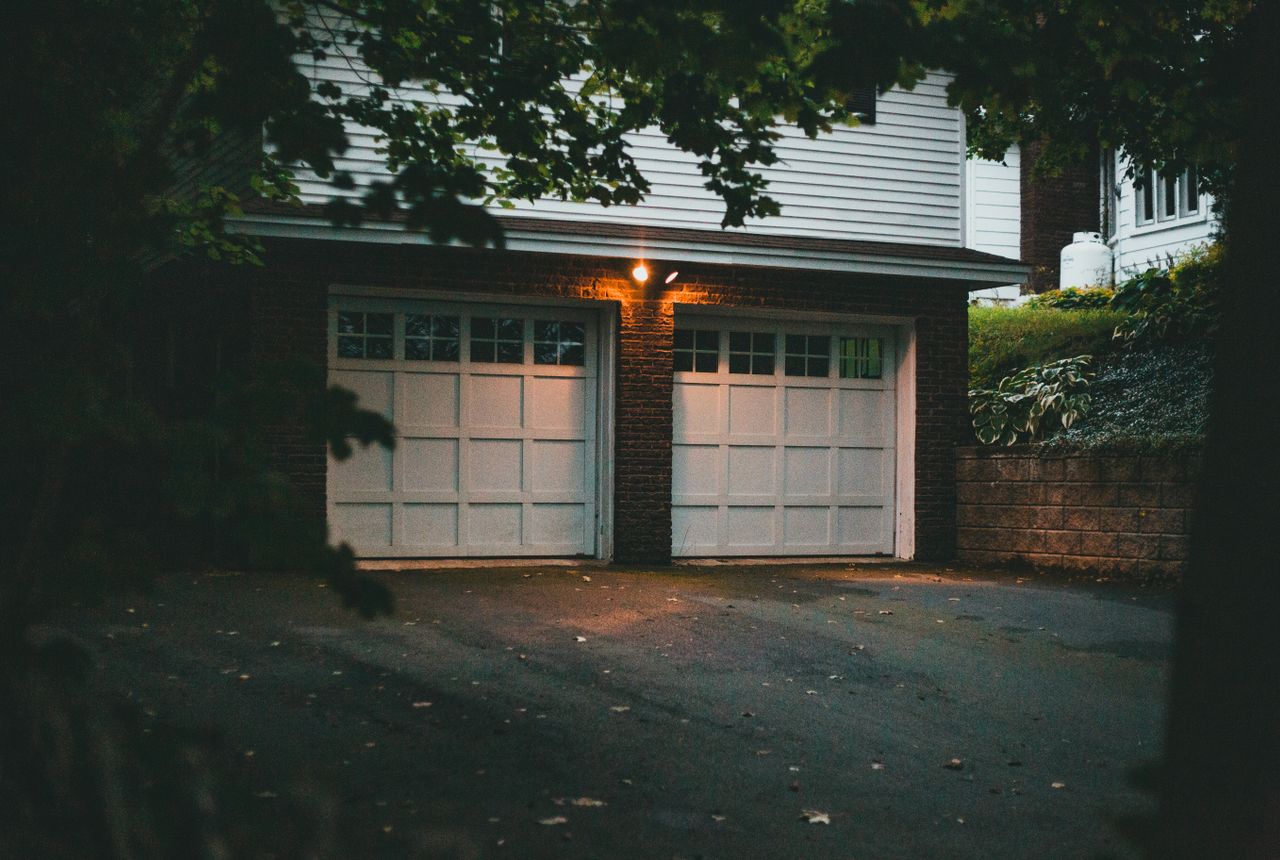
Most garages in Saint Paul's older neighborhoods - Frogtown, Thomas-Dale, the North End - sit on slabs poured decades before anyone worried about sensor alignment, because there were no sensors to align. Photo-eye safety sensors got added to garage door openers as a federal requirement in the early 1990s, which means a lot of houses built in this city's 1956-2002 range started life without them and had them retrofitted later, sometimes on brackets that were never meant to carry the load or the vibration of an older torsion setup. If your sensors are original to a 1960s or 70s build here, they're likely mounted on whatever bracket the installer had on the truck that day, not a purpose-built one. Left alone, a slightly tilted sensor pair can still work for years. The beam doesn't need to be perfect, just unbroken. Don't chase perfect alignment if the door is closing fine and the light isn't blinking. Nudging a working sensor to make it look straighter is how you turn a non-problem into a Saturday spent troubleshooting. If it closes without reversing, leave it.
You can usually re-aim a drifted sensor yourself: loosen the wing nut, slide it until both LEDs go solid, snug it back down. That's a five-minute fix on the newer housing stock going up through the early 2000s, where brackets are stamped steel and the mounting holes are slotted for exactly this adjustment. It gets harder on the older end of Saint Paul's 1956-2002 range, where the bracket itself may be a homeowner or installer improvise from decades ago - sheet metal bent to fit, screwed into wood trim that's since shrunk or warped. If the bracket flexes when you touch it, or the sensor won't hold a beam for more than a day before it's off again, you're not dealing with alignment anymore, you're dealing with a mount that's failed. That's a call, not a Saturday project. Same goes for any sensor wiring that's been chewed, spliced, or run along a damp slab edge - don't patch bare wire near a concrete floor that sees salt and meltwater every winter.
Saint Paul sits in a severe cold climate band, and that matters more for sensors than most homeowners expect. The garage floor and the slab it's anchored to move seasonally - frost heave in the coldest months, then settling as the ground thaws. A sensor bolted to a bracket on that slab, or to a wall stud tied into the foundation, moves with it, fractions of an inch at a time. That's usually enough to walk a beam off-target over a single winter, especially on the older builds common across this city's 41 named areas, where foundations have had 50-plus years of freeze-thaw cycles to work joints loose. Cold also stiffens the plastic housing on older sensor units, making the aim less forgiving - a housing that would flex slightly in July can crack or hold a skewed angle once temperatures drop. If your sensors go out of alignment every fall and every spring like clockwork, that's not bad luck, that's the frost cycle doing what it does to older concrete.
The real issue isn't that sensors drift - every opener's sensors drift eventually. It's that a lot of Saint Paul garages have sensors mounted on hardware that was never rated for 50-plus years of frost heave, or wiring that's brittle from decades of temperature swings between a heated house and an unheated garage. On a median household income of $91,946 across this service area, replacing a bracket and a foot of wire is a small job, but it only gets fixed once someone recognizes the pattern instead of re-aiming the same sensor every few months. We don't rewire whole houses or handle anything past the opener circuit - that's an electrician's job. What we do is look at whether the mount itself is the problem before we touch the aim, because on a lot of these older Saint Paul garages, aim was never the real issue.
On older Saint Paul homes, the slab and foundation shift slightly with the freeze-thaw cycle each winter and spring. A sensor bolted to that slab or to a stud tied into it moves too, just enough to walk the beam off target. It's a pattern tied to the cold climate here, not a defective sensor.
Yes, if the bracket is solid and the wiring is intact - loosen the wing nut, slide until the LED goes solid, retighten. If you're doing this every few weeks, or the bracket flexes when you touch it, the mount has failed and re-aiming won't hold.
Not all, but it's common on housing built well before sensors were required in the early 1990s, since many of those units were retrofitted onto brackets that weren't purpose-built. If your garage dates to the 1960s or 70s, it's worth checking the bracket, not just the aim.
Call now or request a free quote - same-day service on most repairs, upfront written pricing.