Saint Paul, MN · Garage Door Service
Serving Mahtomedi, 10 miles from Saint Paul. Most homes here date to 1989, later than the city median, which changes what fails on your opener and springs.
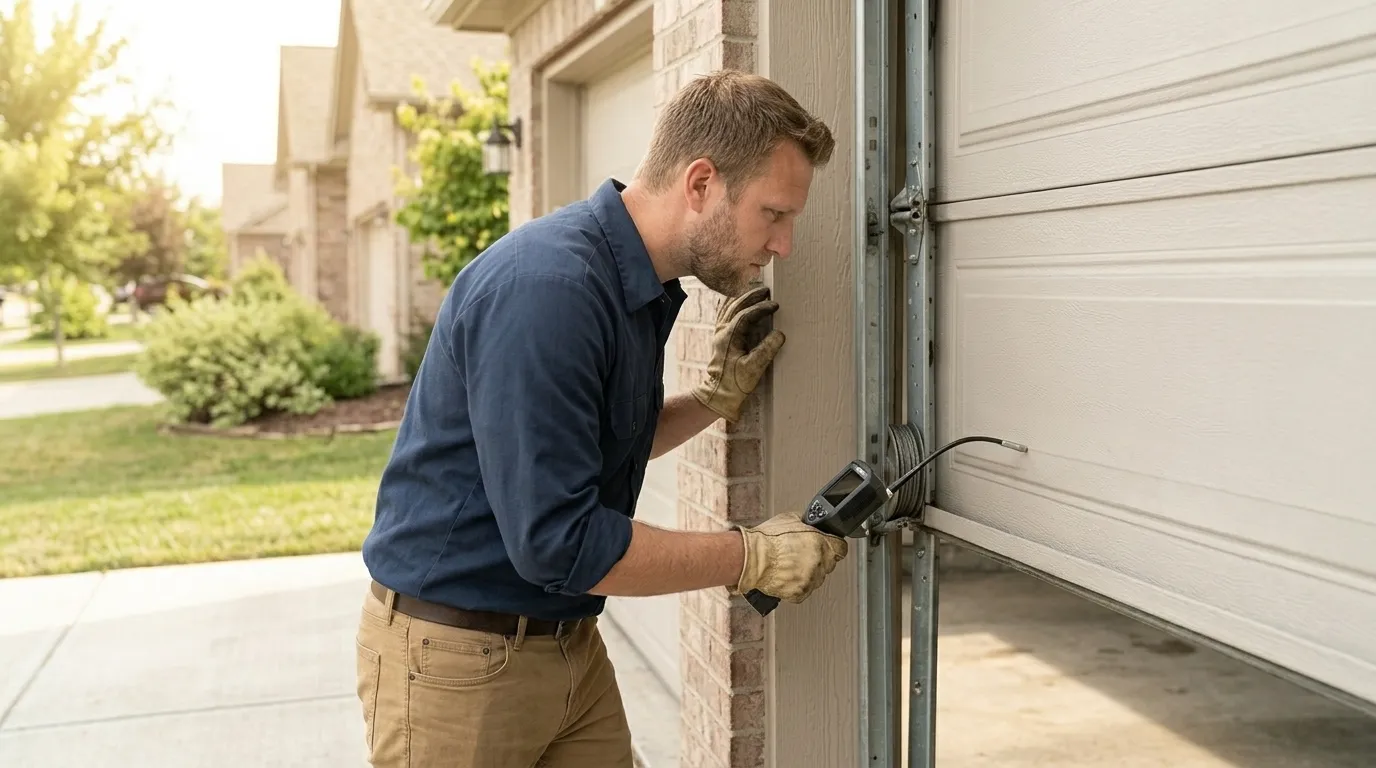
We run out of Saint Paul, about 10 miles from Mahtomedi. That's a straight shot for a truck loaded with springs, cables, and opener parts, but it does mean we're not sitting in a depot around the corner. If you call, we're driving to you, not walking over. Plan on scheduling a job rather than expecting a knock on the door within the hour.
The distance matters less for parts than you'd think, since a fully stocked truck covers most torsion spring, roller, and cable jobs on the first visit regardless of where we started from. Where it matters is emergency timing on weekends or storms, when everyone on the east metro side is calling at once. We're upfront about that instead of promising something we can't back up from 10 miles out.
Mahtomedi's housing skews newer than a lot of what we see closer to Saint Paul. The median build year here lands around 1989, well past the 1956-2002 span and 1973 median that covers the wider service area, and later than the 1960s-70s stock that dominates most of the 41 communities we work across. That's a real gap, not a marketing line - it means this area largely missed the first wave of garage door installs that we deal with constantly in older neighborhoods.
With 2,927 households and a median income of $132,326, this is also a market where owners tend to replace rather than patch, and where insulated steel doors and belt-drive openers show up more often than the older chain-drive, single-layer doors we still find on 1960s houses elsewhere in the coverage area. It changes what shows up in our service calls out here.
A door installed around 1989 is old enough to need attention but built to a different standard than the doors going up in a 1965 rambler. You're more likely dealing with a two-inch torsion spring setup mounted on a standard header rather than the older side-mounted extension spring systems common in mid-century housing. Openers from that era, if original, are chain-driven and past any reasonable service life - the gears wear, the logic boards fail, and parts for a 30-plus-year-old opener are getting hard to source new.
The cold-climate factor still applies here the same as everywhere in the service area: this region sits in a severe cold band, and steel doors from the late 80s and 90s often have thinner insulation than what's sold today, so panels can flex and crack at the seams after enough winters of freeze-thaw. If your door and opener are both original to a 1989-era build, replacement is usually the more honest answer than another repair, since a new opener alone won't fix a door that's lost its insulation value or square.
Mahtomedi sits about 10 miles out, and unlike some of the closer-in areas we cover - places within a couple miles of downtown Saint Paul with housing from the 1880s through the 1950s - this is a spot where the streets themselves are newer. That reshuffles the usual pattern: instead of retrofitting old openers onto older track systems, most of what we run into is standard modern hardware that's simply aged out or was installed cheap during a builder-grade wave.
We won't invent a neighborhood history we don't have data on, but the 1989 median build year is the number that actually predicts what's wrong with your door before we even open the truck. It's a different job than the one we'd expect on a street built in 1958, and we price and diagnose accordingly rather than running the same checklist everywhere.
No. We operate out of Saint Paul, about 10 miles away, and drive out for every job. We carry a full stock of springs, cables, rollers, and common opener parts, so most repairs still get handled in one visit despite the distance.
Hardware and door construction changed a lot over the decades. A house built around 1989, which is typical for this area, usually has torsion springs on a standard header and a chain-drive opener from that era, both very different from the setups common in 1960s housing elsewhere in our coverage area.
If the opener is original to a late-80s build, we'd lean toward replacement. Parts get scarce, gears wear out, and a new opener install often costs close to what a string of repairs on a dying unit would run anyway.
This region sits in a severe cold climate band, so freeze-thaw cycles stress door panels and seals every winter. Steel doors with thinner insulation, which shows up more in some 1980s-90s builds, are more prone to seam cracking and warping over time than better-insulated newer doors.
Call now or request a free quote - same-day service on most repairs, upfront written pricing.