Saint Paul, MN · Garage Door Service
In Saint Paul, homes built between 1956 and 2002 and hard Minnesota winters mean specific failure points. Here's what our techs inspect before any repair.
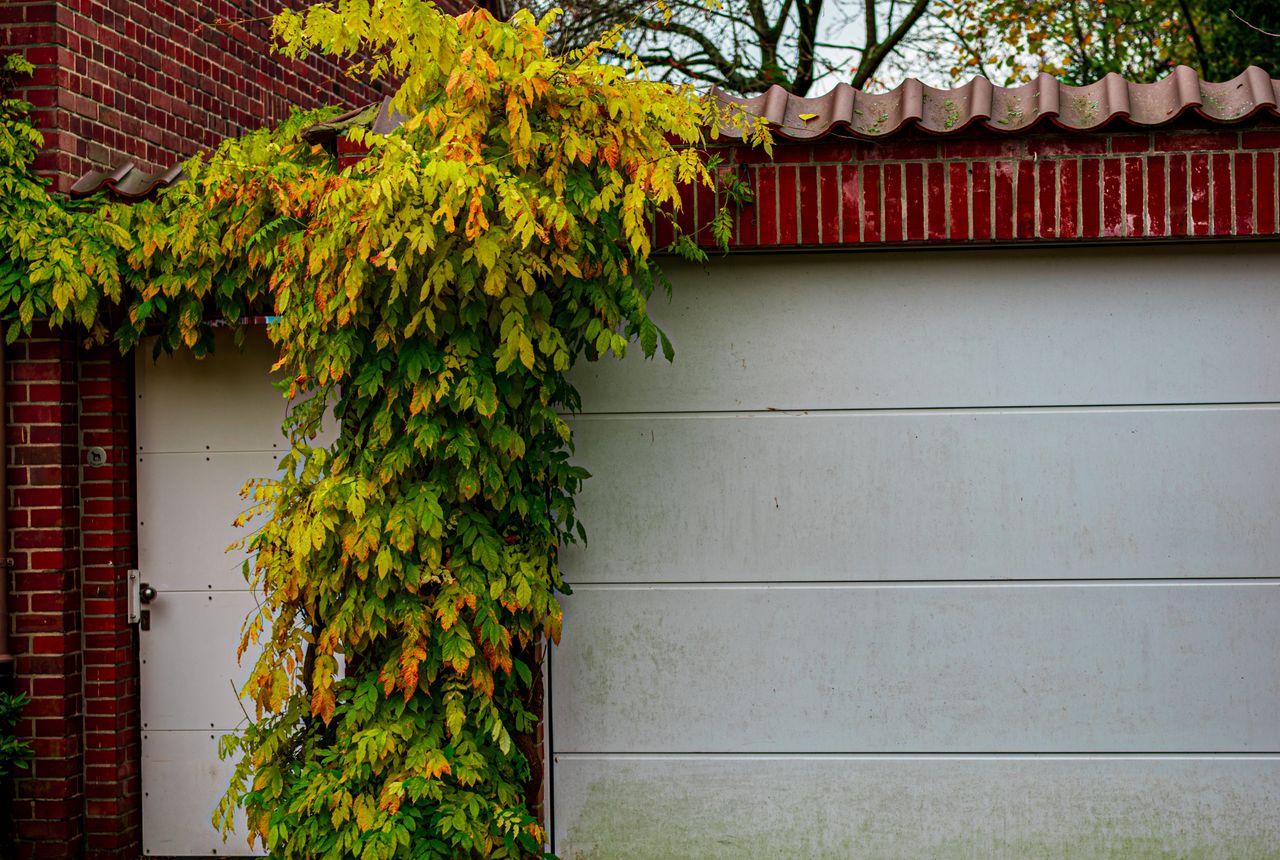
Most calls we get didn't need to be calls. If your door opens and closes smooth, closes flush against the weatherstrip, and the opener reverses when it hits something, you don't need us yet. Saint Paul's housing stock runs mostly 1956 to 2002, with a median build year around 1973, and across neighborhoods like Como Park, Frogtown, and Summit-University a lot of that means original garages with their first or second torsion spring still doing the job. A yearly once-over is enough for most of it: wipe the tracks, put a few drops of oil on the rollers and hinges, snug the loose bolts on the track brackets, and check that the cable drums haven't shifted. None of that needs a technician. What does need one is anything involving the spring itself - that's stored energy, and on a door built for a house from that 1960s-70s wave, the hardware is old enough that guessing wrong costs you a trip to the ER, not just a bent panel. If the door's quiet and level, leave it alone and just watch it.
A few signs mean stop and call, no matter how handy you are. A cable that's frayed or has popped off the drum. A torsion spring with a visible gap in one of the coils - that's a spring that's about to let go, and on the side-mount torsion setups common in Saint Paul's older housing stock, that release can put a bar through a windshield. A door that's suddenly much heavier to lift by hand, or one side lifting faster than the other, points to a spring that's lost tension or a cable under uneven load. Track that's bent or pulling away from the wall bracket is a structural issue, not a lubrication one. We'll say it plainly: we don't recommend anyone without the right winding bars and clamps touch a torsion spring, full stop, regardless of how it looks. That's not a sales pitch, it's the one repair on a garage door that puts people in the hospital every year. Everything else on this list - rollers, hinges, weatherstrip, opener sensors - is fair game for a homeowner with basic tools and a Saturday afternoon.
Saint Paul sits in a severe cold climate band, and that does specific, repeatable things to a garage door that a mild-climate town never sees. Steel contracts in deep cold, which tightens tolerances on tracks and rollers that were adjusted in July - doors that ran quiet all summer start binding or grinding by January. Torsion springs lose measurable lift force as temperatures drop, so a door that felt balanced in October can feel noticeably heavier to the opener by the coldest stretch of winter, which shortens the life of the opener's drive gear. Rubber weatherstrip on the bottom panel hardens and cracks with repeated freeze-thaw, and once it's split, meltwater gets under the door and refreezes overnight, sometimes locking the door to the slab. Panel seams on older steel doors - and a lot of the doors on houses from the 1956-2002 building wave are original steel, not insulated - flex more in cold and are more prone to denting from ice buildup at the bottom track. None of this is a defect. It's what cold-climate hardware does, and it's why fall is the season we get the most calls about doors that were fine in August.
Put the housing age and the climate together and you get a predictable failure pattern here: original torsion springs, sized decades ago for doors that have since been repainted or resurfaced, now working harder in cold they weren't rated to fight as hard against. That's the combination we see on service calls across this area more than any single dramatic failure. The honest limitation is this - if a door and its track are both original to a house built in that 1960s or 70s wave, and the spring has already broken once, we'll often tell you replacement is the better dollar-for-dollar move over sourcing obsolete hardware for a repair that just delays the next failure. We don't sell replacement doors as the default answer, but we won't quote you a patch job on a system that's on borrowed time either. If you're not sure which side of that line your door is on, that's exactly what the first visit is for - we look at the spring wind, the track alignment, and the panel condition before we recommend anything.
We don't quote a fixed number because it depends on cycles and how the door's been maintained, but on original hardware from houses built in the 1956-2002 range, springs that have never been replaced are past due for an inspection. Cold winters add stress on top of age, so a spring that looked fine in summer can fail without warning by mid-winter.
Torsion springs lose some of their lift force as temperatures drop, and Saint Paul sits in a severe cold band where that effect is real, not imagined. If it's noticeably harder to lift by hand in January than it was in August, that's the spring telling you it's working near its limit - worth a check before it snaps.
Yes - rollers, hinges, and track bolts are fair DIY territory and doing it yearly is good practice, especially before winter. The line we draw is the torsion spring itself. If you see a gap in the coil or the door feels suddenly unbalanced, that's a call, not a project.
Not by itself. A lot of houses in this area date from that same 1960s-70s stretch and plenty of those original steel doors still run fine with basic upkeep. The issue comes when the spring or track is also original and starting to show wear - that's when we'll talk about repair versus replacement honestly.
Call now or request a free quote - same-day service on most repairs, upfront written pricing.