Saint Paul, MN · Garage Door Service
A look at what our techs actually check on a Saint Paul service call, tied to the 1956-2002 housing stock and the cold this city's doors take every winter.
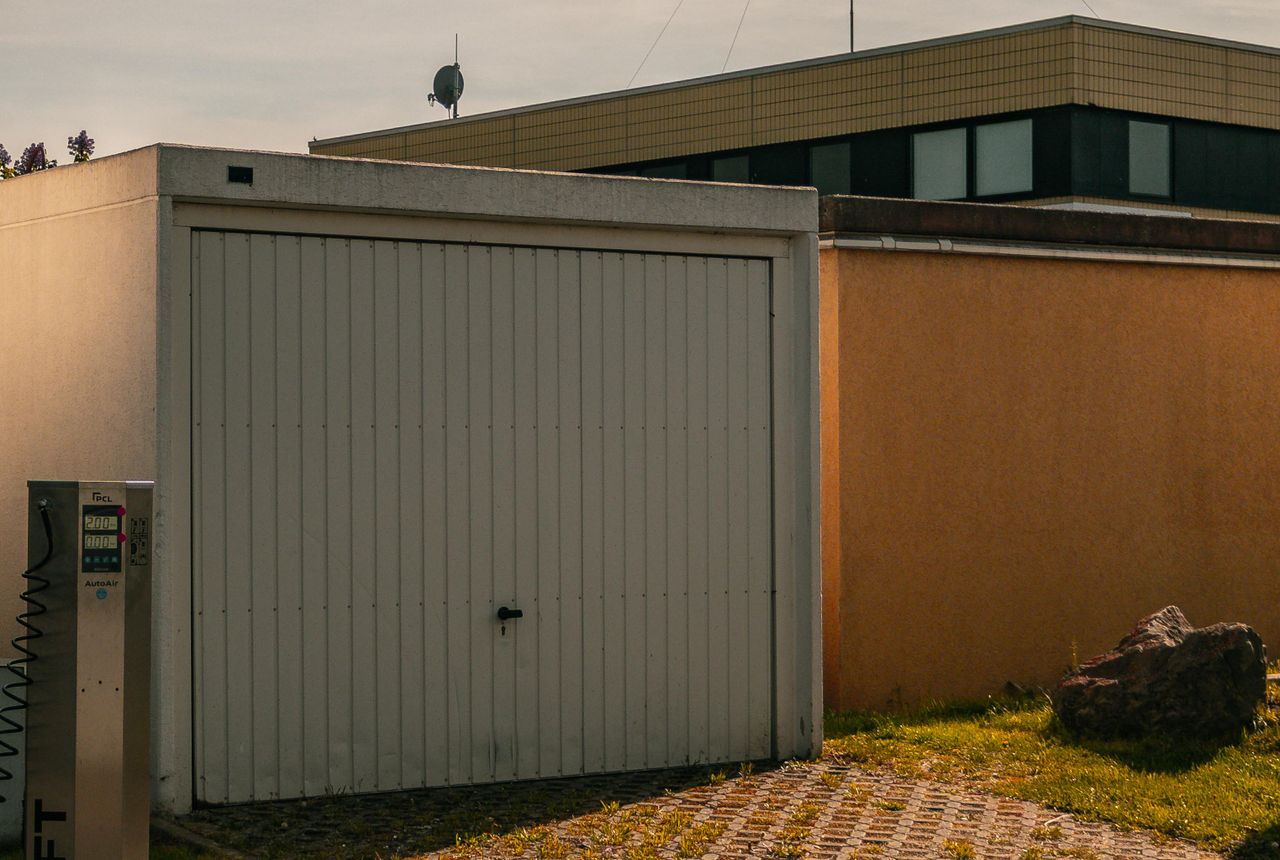
Not every noise means a call. A door that groans once when it's 15 below and quiets down after the first cycle is just cold hardware, not a failing one. Across the neighborhoods we work in - Frogtown, Summit-University, Dayton's Bluff, Como Park - most houses were built between 1956 and 2002, with the bulk going up in the 1960s and 70s. That era of door and track hardware is simple, and simple holds up. If the door opens, closes, and reverses when it hits something, and the only complaint is a squeak, a shot of lubricant on the rollers and hinges is the whole job. We'd rather tell you that over the phone than send a truck out for it. Where we do want a look: any grinding on the way up, a door that hangs crooked, or cables that look frayed near the bottom bracket. Those aren't cosmetic. On a 1960s-era door, worn parts tend to fail together, not one at a time, so a small complaint now is often cheaper to fix than the same complaint in January.
A torsion spring under tension is not a weekend project, full stop - that's true in any house, any year built. But in this housing stock specifically, a lot of garages still carry their original spring and drum setup from construction, meaning the hardware a homeowner finds under the header isn't the modern version with updated safety cable routing. If you don't recognize what you're looking at, that's the signal to stop, not to search a video and proceed. We also draw the line at opener wiring tied into a panel installed decades before current code, and at anything involving a bent track on a door that's still under spring load. None of that is a knock on doing your own work - changing a bulb, tightening loose hardware, testing the auto-reverse with a piece of wood on the ground, those are fine and worth doing. The dividing line is tension and age together: an old spring under load is a different risk than a new one.
Saint Paul sits in a cold, severe climate band, and that shows up in specific ways on a garage door rather than as a vague seasonal complaint. Steel contracts in the cold, which tightens tolerances on tracks that were already set decades ago for a different range of temperatures. Nylon rollers get brittle and can crack rather than wear down gradually. Openers draw more current to lift a door when the grease in the drive gears has stiffened, and that's often what shows up as a slow or hesitating cycle in January that never happened in July. Weatherstripping on original 1960s-70s doors, if it hasn't been replaced, tends to have gone stiff and split at the corners, letting cold air and meltwater track into the garage floor. None of this is damage from one storm - it's cumulative, and it's the reason a door that worked fine in October can bind or refuse to close by February. We check spring tension, roller condition, and opener force settings differently in a cold-climate call than we would in a mild one, because the failure points aren't the same.
The actual problem on most calls here isn't dramatic - it's a torsion spring at the end of its cycle count, a bottom bracket worn from thirty-plus winters, or a track knocked slightly out of alignment by a car bumper. Given a median household income of $91,946 across the service area, most owners we see are weighing a repair against a full door replacement, and for houses from this era that's a real decision, not an obvious one. We'll tell you honestly when a repair on an original 1960s or 70s door isn't worth doing - sometimes the track, spring, and rollers are all near failure at once, and patching one part just moves the next failure closer. What we won't do is replace a part that still has life in it because it's easier to sell a new one. If your street is anywhere from Frogtown to West Seventh, the housing age and the winters are working against the door the same way, and that's what we're actually diagnosing on the call, not just the symptom you noticed.
Cold makes the grease in the opener's gears and the door's roller bearings stiffen, and steel tracks contract slightly, tightening tolerances that were fine in warmer months. On a Saint Paul winter day this shows up as a slower cycle or more strain on the opener motor. It's usually not damage by itself, but it's worth having checked before it becomes one.
Not automatically. A lot of the housing stock here dates from 1956 to 2002, and plenty of original torsion setups still work fine if they've been maintained. The concern is age combined with tension: original springs and drums weren't built with the safety cable routing common in current hardware, so that's the part we look at closely on an older door.
We don't recommend it. A torsion spring under tension can cause serious injury if released wrong, and on older Saint Paul houses the original hardware often lacks the safety cable setup used today. Tightening hinges, lubricating rollers, or replacing a bulb are fine DIY tasks - spring work under load is not.
Call now or request a free quote - same-day service on most repairs, upfront written pricing.